
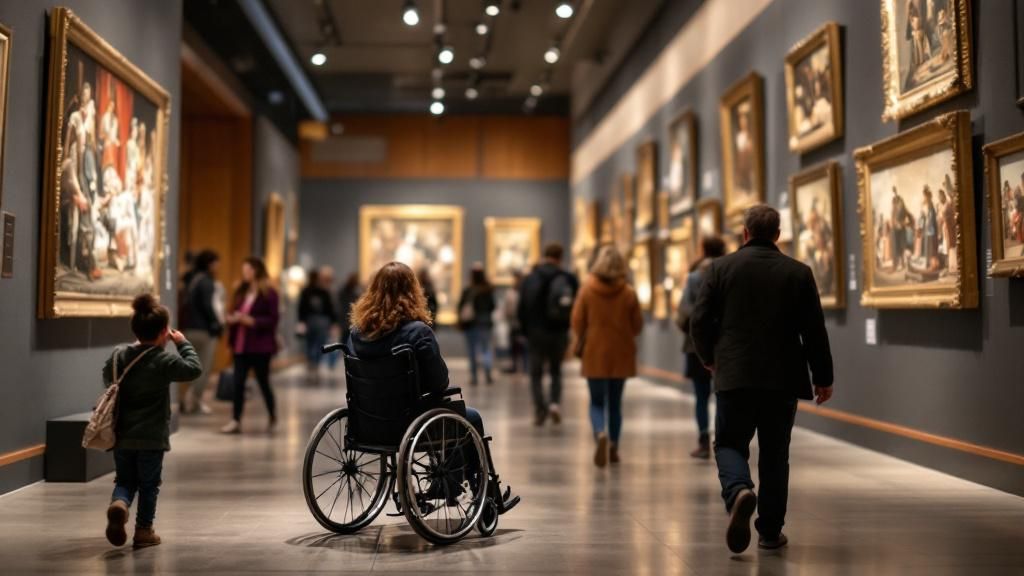
Britain’s leading museums are undertaking a fundamental shift towards accessibility, acknowledging that heritage collections should be open to everyone, without regard to physical ability or disability. From enhanced wheelchair access and inclusive sensory programming to cutting-edge digital initiatives, these institutions are removing historical restrictions that have historically excluded people with disabilities. This article analyses the pioneering projects reshaping the cultural institutions, explores the institutions championing this vital transformation, and examines how these initiatives are redefining what inclusive cultural experiences actually signify for visitors across the United Kingdom.
Accessibility Enhancements Across Major Institutions
Major museums throughout the United Kingdom have undertaken extensive renovations to improve physical accessibility for visitors with disabilities. The British Museum, V&A Museum, and the National Gallery have invested significantly in installing ramps, lifts, and accessible amenities across their galleries. These enhancements extend beyond basic wheelchair access, including wider corridors, accessible facilities with changing areas, and rest spaces carefully located throughout exhibition spaces. Such facility improvements reflect a real dedication to guaranteeing that disabled visitors can navigate museums independently and comfortably whilst viewing collections without unnecessary barriers.
Beyond architectural modifications, institutions have focused on disability-friendly parking options and improved wayfinding systems tailored to visitors with mobility challenges. Many museums now offer step-free access that eliminate stair access, allowing visitors to explore complete exhibition spaces without encountering obstacles. Staff training programmes have been implemented to help guests with access requirements, whilst disability-friendly seating has been placed throughout galleries. These combined initiatives reflect a fundamental shift in museum philosophy, acknowledging that step-free access is vital to establishing genuinely inclusive cultural spaces where all visitors can interact substantially with the nation’s valued cultural holdings.
Technological Advancement and Web-Based Access
British museums are harnessing modern technological solutions to expand access to their archives, acknowledging that digital platforms can connect with disabled visitors who may face physical barriers to coming to the venue. immersive digital environments, detailed digital archives, and participatory digital showcases now allow individuals with movement difficulties, vision disabilities, and other disabilities to access cultural treasures from home. These efforts work alongside physical accessibility improvements, guaranteeing that digital innovation functions as a meaningful tool rather than a secondary addition.
Major institutions have committed substantial resources in inclusive digital interfaces, deploying features such as resizable font options, spoken narration, and keyboard-based navigation systems. Museums are also producing tailored digital applications and virtual tours specifically designed for deaf and hard of hearing visitors, delivering detailed subtitles and BSL interpreting services. By placing priority on inclusive design principles, British museums are becoming recognised as leaders in equitable cultural participation, demonstrating that thoughtful design can genuinely enrich experiences for all visitors.
Specialist Programs and Support Services
British museums are developing bespoke programmes deliberately created to meet the varying requirements of people with accessibility needs. These programmes encompass tailored sensory activities featuring limited visitor capacity, dimmed lighting adjustments, and reduced sound levels for individuals with autism or sensory processing difficulties. Museums are also employing disability specialists qualified in disability knowledge and accessibility best practices. Many institutions now offer bespoke guided tours who adapt their presentations to support various communication styles and intellectual needs, ensuring every guest receives genuine connection with exhibits.
Support services have grown significantly, with museums providing accessible facilities including accessible toilets, quiet zones, and designated quiet spaces for visitors requiring respite. Assistance dogs are permitted in all exhibition spaces, and staff members receive comprehensive training to support visitors with movement difficulties, sight or hearing impairments, and cognitive support needs. Museums work closely with accessibility groups to create initiatives based on authentic visitor input. Pre-visit booking options enable guests to organise extra assistance, whilst team presence ensures tailored support throughout visits, significantly enhancing the gallery visit for visitors with disabilities.
Looking ahead, British museums remain focused on sustained progress, allocating funds towards innovative digital tools and inclusive access initiatives. Continuous engagement with disability organisations ensures initiatives continue to be adaptive and successful. These extensive tailored services demonstrate that accessibility extends further than structural changes, covering considerate, individual-focused assistance that truly embrace all visitors into Britain’s cultural institutions.
