
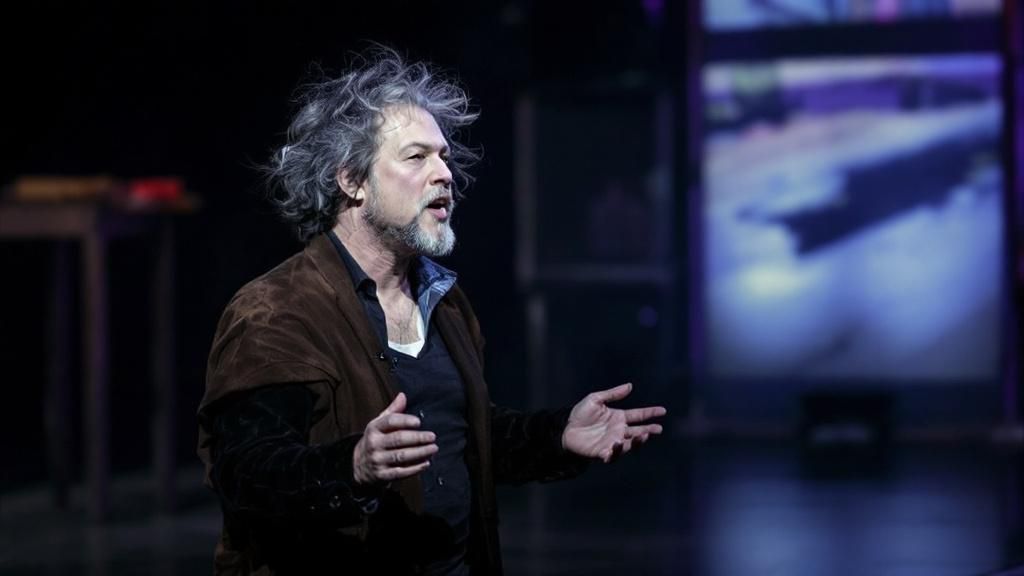
The National Theatre has introduced an ambitious new programme intended to expand engagement with classical drama throughout the United Kingdom. This groundbreaking initiative promises to bring world-class theatrical productions to communities far outside London’s West End, making certain that audiences in remote and disadvantaged regions can witness Shakespeare, Chekhov, and modern adaptations of timeless classics. Through inventive travelling productions, online channels, and collaborative partnerships, the theatre is significantly transforming how Britain relates to dramatic literature, rendering quality theatre an entitlement rather than a privilege.
Bringing Theatre to Everyone to Outstanding Theatre
The National Theatre’s programme constitutes a pivotal shift in how classical drama reaches patrons throughout the Britain. By removing location-based obstacles and financial constraints, the programme guarantees that populations in remote locations and deprived communities can access performances traditionally limited to London’s elite venues. This focus on inclusion demonstrates a core conviction that artistic merit should not be determined by location or spending power, but rather distributed equitably between all people independent of their situations.
Through collaborative alliances with theatre companies across regions, schools and universities, and community arts groups, the National Theatre is creating sustainable pathways for interaction with classical works. The initiative encompasses travelling theatre shows, subsidised ticket schemes, and locally-driven versions that encourage local participation and cultural ownership. By fostering these collaborative relationships, the theatre moves away from a single London-based organisation into a dispersed system of artistic quality, ensuring that the life-changing influence of drama becomes genuinely accessible to theatre-goers across the country.
Digital Innovation and Community Partnerships
The National Theatre’s approach hinges upon advanced digital solutions to broaden its audience throughout the country. By harnessing digital platforms and virtual performances, the institution enables simultaneous access to theatrical works for audiences who cannot visit physically. This technological infrastructure makes culture more accessible, allowing viewers from Cornwall to the Scottish Highlands to experience world-class performances from their own communities. The initiative also features interactive digital resources, instructional content, and behind-the-scenes content, enriching the theatrical experience beyond standard theatrical performances and building stronger connections with classical drama.
Equally significant are the strategic partnerships forged with regional theatre organisations, council bodies, and grassroots organisations across the United Kingdom. These collaborations guarantee productions appeal to diverse audiences whilst supporting grassroots cultural infrastructure. The National Theatre provides funding, expertise, and artistic direction to partnering organisations, building lasting cultural environments in regions with limited provision. By collaborating with regional bodies rather than imposing London-based criteria, the initiative honours local distinctiveness whilst maintaining creative quality. This partnership model changes classical drama into a truly national undertaking, establishing theatrical culture within communities and building permanent cultural impact.
Influence and Long-Term Outlook
The initiative’s effect extends far beyond mere attendance figures, profoundly changing arts engagement nationwide. Regional theatres document record engagement figures, with audiences discovering newfound appreciation for traditional theatre pieces formerly considered out of reach. Regions without theatrical infrastructure now enjoy stage performances, educational programmes, and backstage access. This broadening of access fosters a increasingly inclusive arts environment, encouraging younger generations to participate in stage drama as an integral component of their educational and social development.
Looking ahead, the National Theatre anticipates continued development of this pioneering programme throughout the next ten years. Targeted funding in digital technology are set to further extend reach, facilitating simultaneous broadcasts and direct access to recorded performances. Partnerships with schools and universities will embed traditional theatre within school curricula, fostering lifelong appreciation for drama and theatre. The programme represents a pivotal turning point, establishing the concept that exceptional theatrical experiences form a basic cultural entitlement rather than an advantage restricted to the capital.
As this innovative project continues evolving, its success hinges on continuous investment, public participation, and collaborative partnerships. The National Theatre continues to be focused on assessing outcomes through audience feedback, attendance metrics, and educational outcomes, guaranteeing responsibility and continuous improvement. This groundbreaking programme represents a profound shift in British society’s cultural outlook, establishing that traditional theatre belongs to everyone.
